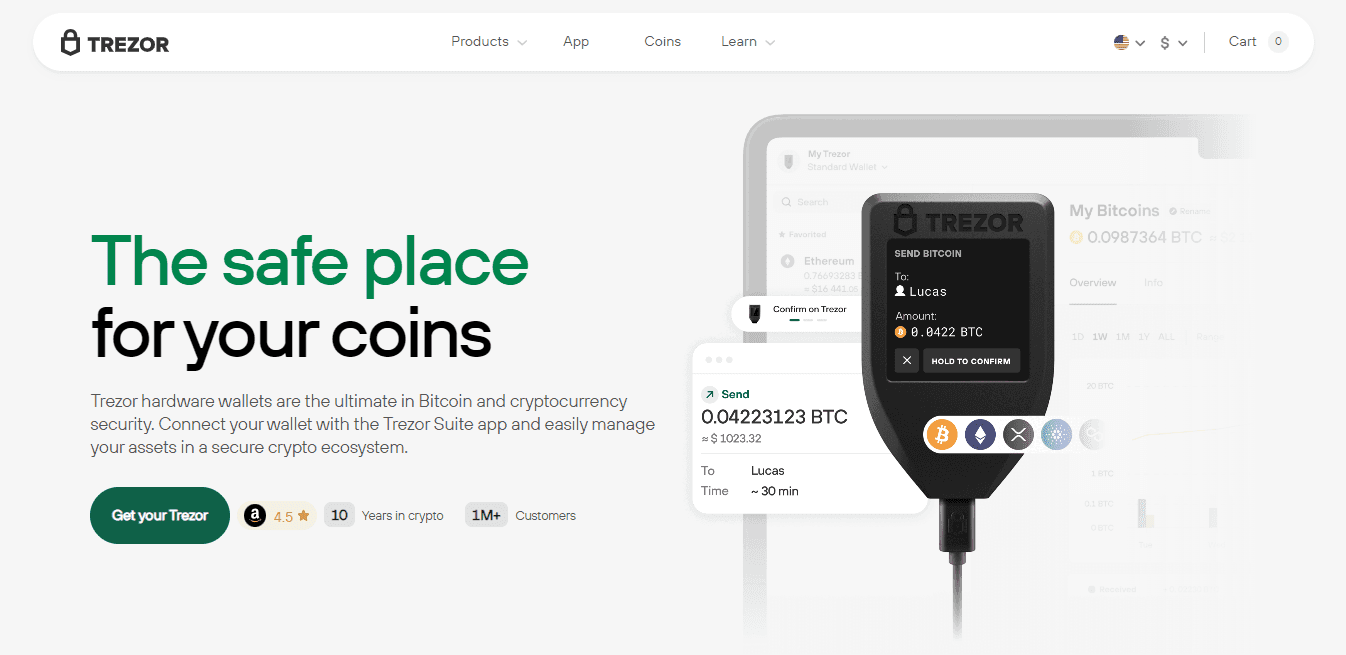
Trezor Bridge: Complete Guide for Secure Wallet Connectivity
Trezor Bridge is an essential software component that enables smooth and secure communication between your Trezor hardware wallet and your computer’s web browser. It acts as a background service, allowing supported browsers to recognize your Trezor device and interact with applications like Trezor Suite without issues. Understanding Trezor Bridge is important for anyone using a Trezor wallet to manage cryptocurrencies safely.
What Is Trezor Bridge?
Trezor Bridge is a lightweight application developed by SatoshiLabs, the creators of the Trezor hardware wallet. Its primary function is to replace older browser plugins and provide a more stable, secure, and modern way for browsers to communicate with your Trezor device. Once installed, it runs silently in the background and automatically detects when your Trezor wallet is connected to your computer.
Unlike browser extensions, Trezor Bridge works independently of specific browser versions, making it more reliable and compatible with major browsers such as Chrome, Firefox, Edge, and Brave.
Why Trezor Bridge Is Important
The main role of Trezor Bridge is to ensure secure data exchange between your hardware wallet and online interfaces. Since private keys never leave the Trezor device, the Bridge only transmits signed transactions and public information. This design significantly reduces the risk of malware or phishing attacks gaining access to your funds.
Without Trezor Bridge, your browser may fail to detect the wallet, leading to connection errors or limited functionality. Installing it ensures seamless access to features like sending and receiving crypto, checking balances, managing accounts, and updating firmware.
How Trezor Bridge Works
When you connect your Trezor hardware wallet to a computer using a USB cable, Trezor Bridge identifies the device and establishes a secure communication channel. Web applications such as Trezor Suite then use this channel to send requests, for example asking the device to sign a transaction. The Trezor wallet confirms actions on its screen, ensuring that every operation requires physical approval.
This system keeps sensitive operations isolated from your computer and browser, which may be exposed to online threats.
Installing Trezor Bridge
Installing Trezor Bridge is a simple process. Users need to download the correct version for their operating system, such as Windows, macOS, or Linux, and follow the on-screen installation instructions. Once installed, a system restart may be recommended to ensure proper functionality.
After installation, no manual setup is usually required. The Bridge starts automatically when your system boots and remains active in the background.
Common Issues and Troubleshooting
Sometimes users experience issues such as the browser not recognizing the Trezor device. In most cases, this can be resolved by ensuring that Trezor Bridge is installed and up to date. Other solutions include restarting the browser, reconnecting the USB cable, or trying a different USB port.
Disabling conflicting wallet extensions or security software temporarily may also help if connection issues persist.
Security Considerations
Trezor Bridge itself does not store private keys or sensitive wallet data. It only facilitates communication between the hardware wallet and supported applications. For maximum security, users should always download Trezor Bridge from official sources and keep both the Bridge and Trezor firmware updated.
Additionally, always verify transaction details on the Trezor device screen before confirming any action.
Conclusion
Trezor Bridge plays a vital role in the secure and efficient use of Trezor hardware wallets. By providing a reliable connection between your wallet and browser-based interfaces, it ensures smooth functionality while maintaining high security standards. Installing and maintaining Trezor Bridge is a simple yet crucial step for anyone serious about protecting their cryptocurrency assets.