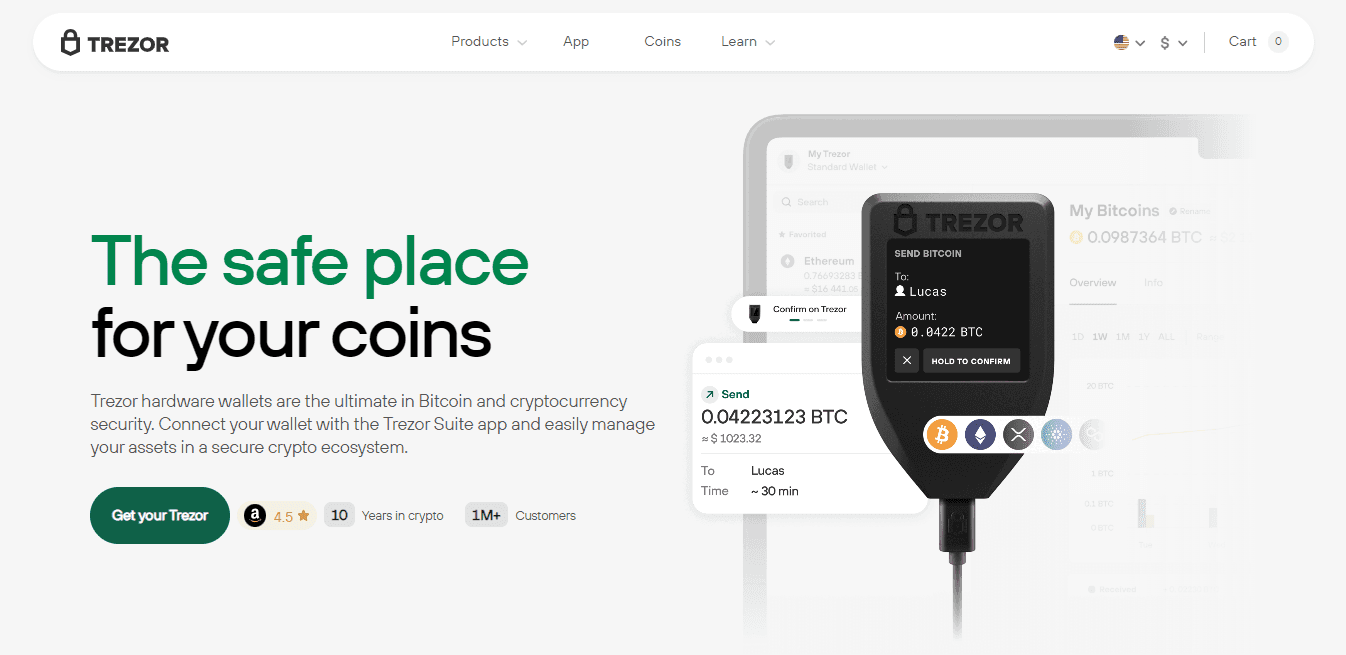
Trezor Bridge: Complete Guide for Secure Wallet Connectivity
Trezor Bridge is an essential software component that enables smooth communication between your Trezor hardware wallet and your computer’s web browser. It acts as a secure connection layer, allowing Trezor devices to interact with web-based interfaces like Trezor Suite without exposing your private keys. If you use a Trezor wallet to store cryptocurrencies, understanding how Trezor Bridge works is important for both usability and security.
What Is Trezor Bridge?
Trezor Bridge is a lightweight background service installed on your computer. Its main role is to create a secure link between the Trezor hardware wallet and supported browsers. Instead of relying on outdated browser extensions, Trezor Bridge uses modern communication protocols to ensure fast, reliable, and safe data transfer.
When you connect your Trezor device via USB, the Bridge detects it and allows supported applications to communicate with the device. All sensitive operations, such as transaction signing and key management, are handled inside the hardware wallet, not on your computer.
Why Trezor Bridge Is Important
The primary purpose of Trezor Bridge is security. Browsers are often targeted by malware and phishing attacks. By using a dedicated bridge, Trezor minimizes the risk of malicious scripts interacting directly with your wallet. The Bridge ensures that only authorized Trezor applications can communicate with the device.
Another key benefit is compatibility. Trezor Bridge works seamlessly across major operating systems such as Windows, macOS, and Linux. It also supports multiple browsers, making it easier for users to access their wallets without technical complexity.
How Trezor Bridge Works
Once installed, Trezor Bridge runs silently in the background. When you open Trezor Suite or another supported web interface, the application checks for the Bridge service. If your Trezor device is connected, the Bridge establishes a secure channel between the software and the hardware wallet.
During this process:
Private keys never leave the device
Transactions are signed inside the wallet
Only encrypted and verified data is exchanged
This design ensures maximum protection even if your computer is compromised.
Installing Trezor Bridge
Installing Trezor Bridge is a simple process. Users typically download the installer for their operating system and follow on-screen instructions. After installation, a system restart may be required to ensure proper detection of the device.
Once installed, no manual configuration is usually needed. When you connect your Trezor wallet and open Trezor Suite, the Bridge automatically activates and manages the connection.
Updating and Maintaining Trezor Bridge
Keeping Trezor Bridge up to date is important for security and performance. Updates may include bug fixes, compatibility improvements, and enhanced security features. Most users are notified automatically when a new version is available.
If you experience connection issues, reinstalling or updating the Bridge often resolves the problem. It is also recommended to use the latest version of Trezor Suite alongside the Bridge for the best experience.
Common Issues and Troubleshooting
Some users may encounter issues such as the device not being detected or connection errors. Common solutions include:
Checking USB cable and port
Restarting the computer
Ensuring no conflicting wallet software is running
Reinstalling Trezor Bridge
These steps usually resolve most connectivity problems.